
Hunting Price list 2026
We invite you to explore our thoughtfully assembled hunting Price List and Shot Placement info

We invite you to explore our thoughtfully assembled hunting Price List and Shot Placement info
| FULL CATERING ONE ON ONE | $400 PER HUNTER PER DAY |
|---|---|
| FULL CATERING TWO ON ONE | $325 PER HUNTER PER DAY |
| FULL CATERING NON HUNTER | $220 PER PERSON PER DAY |

Life span: 40 YEARS
Weight: 26.4-99 LBS
Length: 19.7-45.3 INCH
Height: 5 feet
Hunting baboons can be a challenging and unique experience in the vast terrains of South Africa.
Baboon Overview:
The Chacma Baboon (Papio ursinus), native to southern Africa, is a robust and adaptable primate known for its distinctive features. They are known for their social structures and adaptability to different environments.
Habitat and Range:
Baboons inhabit a range of environments, from savannas and grasslands to forests. They are highly adaptable and often found near water sources. Understanding baboon behavior, including their social dynamics and feeding patterns, is essential for a successful hunt.
Trophy Characteristics:
While baboons are an odd trophy, some hunters may pursue them as part of a broader safari experience. Baboon hunting is challenging and different hunting methods can be used, from safari-style, still-hunting, and baiting.
Hunting Methods:
Baboon hunting often involves spot-and-stalk or still-hunting techniques. These intelligent and wary animals require hunters to be patient and skilled in approaching them discreetly. It’s advisable to engage the services of experienced guides who understand baboon behavior and can assist in a successful hunt.
Rifle Choice:
Choose a firearm appropriate for medium-sized game like a .243 or .30-06. A scoped rifle is recommended to hunt baboons, along with accurate shot placement, is crucial.
Price: $400

Baboon shot placement

LIFE SPAN: 12-16 YEARS
WEIGHT 6.6-9.9 LBS
LENGTH 15.7-23.6 INCH
SCI MIN SCORE: 5”
Hunting the African wildcat offers a unique and challenging experience for those seeking adventure in the diverse landscapes of South Africa.
African Wildcat Overview:
The African wildcat (Felis silvestris lybica) is a small, elusive feline native to various regions across South Africa. It closely resembles a domestic cat but exhibits wild instincts, making it a fascinating target for hunters.
Habitat and Range:
African wildcats inhabit a range of environments, from savannas and grasslands to forests and deserts. Their adaptability allows them to thrive in diverse landscapes, offering hunters the chance to explore different terrains.
Trophy Characteristics:
The African wildcat is not a typical trophy, but hunters may appreciate the unique experience and the challenge they present. Safari Club International acknowledges a minimum trophy qualification total score of 5 inches.
Hunting Methods:
Hunting the African wildcat often involves spot-light hunting and still-hunting techniques. These cats are known for their nocturnal behavior, so hunts may take place during the early morning or late evening. Guides with knowledge of wildcat behavior and habitats are invaluable for a successful hunt.
Rifle Choice:
Opt for a lightweight and accurate firearm suitable for small game hunting. A scoped rifle chambered in a caliber appropriate for small predators is recommended, like the .223 cal.
Price: $400

African Wildcat Shot Placement

LIFE SPAN: 20 YEARS
WEIGHT: 242-345.4 LBS
LENGTH: 66.9-86.6 INCH
HEIGHT: 41.7-47.6 INCH
SCI MIN SCORE: 72”
Hunting the black wildebeest offers an exciting and challenging experience in the vast landscapes of South Africa.
Black Wildebeest Overview:
The black wildebeest (Connochaetes gnou) is a large antelope species native to South Africa. Recognizable for its dark coat and distinctive, sweeping horns, hunting black wildebeest is a sought-after adventure for those seeking a memorable safari experience.
Habitat and Range:
Black wildebeest are commonly found in open grasslands and savannas. Understanding their habitat preferences is crucial for planning a successful hunt.
Trophy Characteristics:
The black wildebeest is known for its distinctive appearance, with both males and females possessing impressive, forward-curving horns. Trophy quality is often determined by horn size, shape, and overall body condition. Professional guides can help hunters assess the trophy potential of an individual wildebeest bull. Safari Club International acknowledges a minimum trophy qualification total score of 72 inches.
Hunting Methods:
Common hunting methods for black wildebeest include still-hunting and safari-style techniques. These animals are alert and can be challenging to approach, requiring patience and strategic planning. Guides with knowledge of wildebeest behavior are valuable for a successful hunt.
Rifle Choice:
Select a rifle suitable for medium to large game hunting, as black wildebeest are robust animals. A scoped rifle with a caliber appropriate for the task, such as .308 or larger, is recommended. Adequate optics can enhance the hunting experience.
Price: $1200

Black wildebeest shot placement

LIFE SPAN: 8 – 14 YEARS
WEIGHT: 13 – 28 LBS
LENGTH: 26 – 31 INCH
HEIGHT: 15 – 18 INCH
Hunting the black-backed jackal presents an interesting challenge in the diverse landscapes of South Africa.
Black-Backed Jackal Overview:
The black-backed jackal (Canis mesomelas) is a medium-sized carnivore native to various regions in Africa. Known for its distinct black saddle along its back, this intelligent and elusive creature often poses a challenging target for hunters.
Habitat and Range:
Jackals inhabit a range of environments, including grasslands, savannas, and woodlands. They are adaptable and can be found in different parts of Africa, from South Africa to Ethiopia. Understanding their habitat and behavior is crucial for a successful hunt.
Trophy Considerations:
While black-backed jackals are not typically hunted for trophy value, their unique appearance and challenging nature make for a rewarding experience. Some hunters may opt to pursue them as part of a broader hunting adventure or to manage local predator populations. Safari Club International acknowledges only a photo entry.
Hunting Methods:
Hunting jackals often involves calling and still-hunting and even baiting techniques. These nocturnal animals are known for their keen senses, making stealth and patience essential for a successful hunt. Experienced guides can provide valuable insights into jackal behaviour and help increase your chances of bagging a jackal.
Rifle Choice:
Any caliber is the right caliber when hunting these elusive and intelligent animals. But a firearm suitable for small to medium-sized game is recommended, a scoped rifle in a caliber appropriate for jackal hunting, such as .223 or .243, is commonly used.
Price: $150

Jackal shot placement

LIFE SPAN: 20 YEARS
WEIGHT: 120 – 175 LBS
LENGTH: 55 – 62 INCH
HEIGHT: 34 to 40 in.
SCI MIN SCORE: 40”
Hunting the blesbok provides a rewarding experience in the scenic landscapes of South Africa.
Blesbok Overview:
The blesbok (Damaliscus pygargus phillipsi) is a medium-sized antelope characterized by its striking white face and forehead. Native to South Africa, these animals are commonly found in grassy plains and open areas.
Habitat and Range:
Blesbok prefer open grasslands and savannas, making the South African plains an ideal habitat. Their range extends across various regions in South Africa, and they are often found in close proximity to water sources.
Trophy Characteristics:
Blesbok are known for their distinctive white face and forehead, providing an appealing trophy. Trophy quality is often judged by the symmetry and length of their horns. Professional guides can assist in evaluating the trophy potential of a blesbok ram. Safari Club International acknowledges a minimum trophy qualification total score of 40 inches.
Hunting Methods:
Common hunting methods for blesbok include safari-style and still-hunting techniques. Blesbok are alert and agile, requiring hunters to approach with stealth and precision. Experienced guides can offer insights into blesbok behavior, enhancing the chances of a successful hunt.
Rifle Choice:
Choose a firearm suitable for medium-sized game. A scoped rifle with a caliber appropriate for antelope hunting, such as .243, .270, or a 7mm RemMag is commonly used. Proper shot placement contributes to a successful blesbok hunt.
Price: $450

Blesbok shot placement

LIFE SPAN: 20 YEARS
WEIGHT: 120 – 175 LBS
LENGTH: 55 – 62 INCH
HEIGHT: 34 to 40 in.
SCI MIN SCORE: 40”
Hunting the white blesbuck provides a unique and visually striking experience in the landscapes of South Africa.
White Blesbuck Overview:
The white blesbuck (Damaliscus pygargus phillipsi) is a color variant of the common blesbuck, characterized by its predominantly white coat and facial markings. Native to South Africa, white blesbok are often found in open grasslands and plains.
Habitat and Range:
White blesbuck share a habitat similar to their common counterparts, preferring open grasslands and savannas. They are commonly found in South Africa, particularly in areas where common blesbuck populations thrive.
Trophy Characteristics:
The white blesbuck’s distinct appearance makes it an appealing trophy. Trophy quality is often evaluated based on the symmetry and length of their horns, similar to common blesbuck. Engage with experienced guides to assess the trophy potential of a white blesbuck. Safari Club International acknowledges a minimum trophy qualification total score of 39 inches.
Hunting Methods:
Hunting white blesbuck involves common techniques such as safari-style and still-hunting methods. These animals are alert and agile, requiring hunters to approach with care and precision. Knowledgeable guides can provide insights into white blesbuck behavior, increasing the likelihood of a successful hunt.
Rifle Choice:
Choose a firearm suitable for medium-sized game. A scoped rifle with a caliber appropriate for antelope hunting, such as .243, .270, and 7mm RemMag, is commonly used. Accurate shot placement is a key component of a successful white blesbuck hunt.
Price: $850

White blesbuck shot placement

LIFE SPAN: 20-24.3 YEARS
WEIGHT: 572-638 LBS
LENGTH: 67 – 98 INCHES
HEIGHT: 45.3-57.1 INCHES
SCI MIN SCORE: 70”
Embarking on a blue wildebeest hunting expedition promises a thrilling challenge within the diverse landscapes of Africa.
Blue Wildebeest Overview:
The blue wildebeest (Connochaetes taurinus) stands as a robust antelope species, indigenous to southern and eastern Africa. Distinguished by its robust physique and curved horns, pursuing the blue wildebeest marks an adventurous endeavor for those seeking a memorable safari escapade.
Habitat and Range:
Blue wildebeest are adaptable and can be found in a range of habitats, including grasslands, savannas, and open woodlands. Their extensive range includes countries such as South Africa, Namibia, Tanzania, and Kenya.
Trophy Characteristics:
Blue wildebeest are recognized for their striking appearance, and trophy quality is often evaluated based on horn length, shape, and symmetry. Experienced guides can assist hunters in assessing the trophy potential of an individual wildebeest bull. Safari Club International acknowledges a minimum trophy qualification total score of 70 inches.
Hunting Methods:
Common hunting methods for blue wildebeest include spot-and-stalk and safari-style hunting techniques. These animals are known for their keen senses and can be challenging to approach. Patient and strategic hunting, often guided by professionals familiar with wildebeest behavior, enhances the chances of a successful hunt.
Rifle Choice:
Choose a firearm suitable for large game hunting. A scoped rifle with a caliber appropriate for wildebeest hunting, such as a .30cal or .375 H&H, is commonly used. Accurate shot placement is essential for a successful blue wildebeest hunt.
Price: $1200

Blue wildebeest shot placement
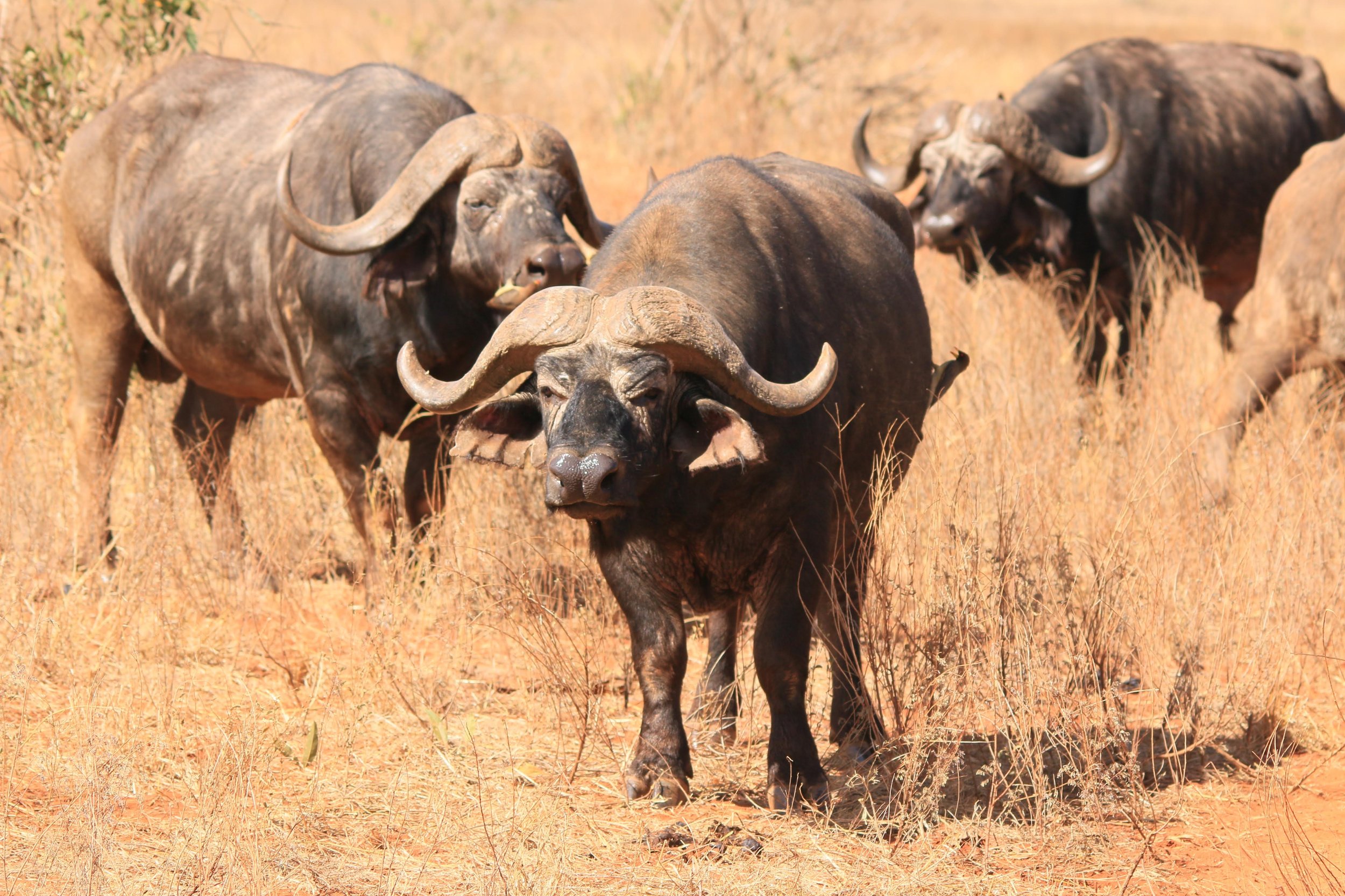
LIFE SPAN: 11-29 YEARS
WEIGHT: 550 – 2200 LBS
LENGTH: 5.6-11.2 FT
HEIGHT: 3.3-5.6 FT
SCI MIN SCORE: 101”
Hunting the Cape buffalo is considered one of the most challenging and dangerous big-game pursuits in Africa. Part of the Big Five, the Cape Buffalo presents a memorable hunting experience. Read our Blog on “Hunting the Cape Buffalo”.
Cape Buffalo Overview:
The Cape buffalo (Syncerus caffer), also known as the “Black Death”, “Widow maker”, and “Mbogo”, is a large and powerful herbivore found in various regions of South Africa. Known for its formidable size, strength, and unpredictable nature, hunting the Cape buffalo demands skill and respect for the animal. The Cape buffalo kills more professional hunters in Africa than any other animal.
Habitat and Range:
Buffaloes inhabit a variety of ecosystems, including grasslands, savannas, and woodlands. They are found in different countries across Africa, such as South Africa, Tanzania, Zambia, and Zimbabwe. Understanding their habitat and behavior is crucial for a successful hunt.
Trophy Characteristics:
The buffalo are sought after for their impressive horns. Trophy quality is often determined by the size, shape, and symmetry of the horns. Professional guides can assist hunters in evaluating the trophy potential of a buffalo bull. Safari Club International acknowledges a minimum trophy qualification total score of 101 inches.
Hunting Methods:
Common hunting methods for buffalo include tracking on foot and spot-and-stalk techniques. These animals are known for their keen senses and challenging behavior, making them one of the most dangerous game species to pursue. Experienced professional hunters and trackers are essential for a safe and successful hunt.
Rifle Choice:
Hunting buffalo requires robust equipment. A heavy-caliber rifle, such as .375 H&H or larger is recommended, and it’s required by local authorities. Accurate shot placement is crucial, given the buffalo’s resilience and potential danger.
Price: $10500

Buffalo shot placement
LIFE SPAN: 11-29 YEARS
WEIGHT: 550 – 2200 LBS
LENGTH: 5.6-11.2 FT
HEIGHT: 3.3-5.6 FT
SCI MIN SCORE: 101”
Hunting the Cape buffalo is considered one of the most challenging and dangerous big-game pursuits in Africa. Part of the Big Five, the Cape Buffalo presents a memorable hunting experience. Read our Blog on “Hunting the Cape Buffalo”.
Cape Buffalo Overview:
The Cape buffalo (Syncerus caffer), also known as the “Black Death”, “Widow maker”, and “Mbogo”, is a large and powerful herbivore found in various regions of South Africa. Known for its formidable size, strength, and unpredictable nature, hunting the Cape buffalo demands skill and respect for the animal. The Cape buffalo kills more professional hunters in Africa than any other animal.
Habitat and Range:
Buffaloes inhabit a variety of ecosystems, including grasslands, savannas, and woodlands. They are found in different countries across Africa, such as South Africa, Tanzania, Zambia, and Zimbabwe. Understanding their habitat and behavior is crucial for a successful hunt.
Trophy Characteristics:
The buffalo are sought after for their impressive horns. Trophy quality is often determined by the size, shape, and symmetry of the horns. Professional guides can assist hunters in evaluating the trophy potential of a buffalo bull. Safari Club International acknowledges a minimum trophy qualification total score of 101 inches.
Hunting Methods:
Common hunting methods for buffalo include tracking on foot and spot-and-stalk techniques. These animals are known for their keen senses and challenging behavior, making them one of the most dangerous game species to pursue. Experienced professional hunters and trackers are essential for a safe and successful hunt.
Rifle Choice:
Hunting buffalo requires robust equipment. A heavy-caliber rifle, such as .375 H&H or larger is recommended, and it’s required by local authorities. Accurate shot placement is crucial, given the buffalo’s resilience and potential danger.
Price: $10500
Buffalo shot placement

LIFE SPAN: 9-40 YEARS
WEIGHT: 385-847 LBS
LENGTH: 7.2-8.2 FT
HEIGHT: 3.3-4.9 FT
Hunting Burchell’s zebra offers a unique and challenging experience in the diverse landscapes of South Africa.
Burchell’s Zebra Overview:
Burchell’s zebra (Equus zebra) is a species native to southern Africa, known for its distinctive black and white striped coat.
Habitat and Range:
Burchell’s zebras inhabit a range of environments, from open grasslands to acacia woodlands. Their range extends across southern Africa, including countries like Namibia, Botswana, and Zimbabwe.
Trophy Characteristics:
Burchell’s zebras are sought after for their striking appearance, and trophy quality is often evaluated based on the size and unique striping pattern of the hide. Experienced guides can assist hunters in assessing the trophy potential of an individual zebra.
Hunting Methods:
Common hunting methods for Burchell’s zebra include spot-and-stalk and safari-style techniques. These animals are known for their keen senses, making them challenging to approach. Patient and strategic hunting, guided by a professional hunter familiar with zebra behavior, enhances the chances of a successful hunt.
Rifle Choice:
Choose a firearm suitable for medium to large game hunting. A scoped rifle with a caliber appropriate for zebra hunting, such as .270 or .30-06, is commonly used. Accurate shot placement is essential for a successful zebra hunt.
Price: $1200

Zebra shot placement

LIFE SPAN: 15 YEARS
WEIGHT: 99-176 LBS
LENGTH: 3.3 -5 FT
HEIGHT: 35 INCH
SCI MIN SCORE: 33”
Hunting the bushbuck provides a captivating and challenging experience in the Savannah bushveld of South Africa.
Bushbuck Overview:
The bushbuck (Tragelaphus scriptus) is a medium-sized antelope species native to various regions in South Africa. Recognizable for its reddish-brown coat, white spots, and spiral horns, hunting the bushbuck is a sought-after pursuit among avid hunters.
Habitat and Range:
Bushbucks are adaptable and can be found in a variety of habitats, including dense forests, woodlands, and savannas. Their range spans from South Africa to Ethiopia and westward to Senegal, covering a diverse array of ecosystems.
Trophy Characteristics:
Bushbucks are prized for their distinctive spiral horns, and trophy quality is often judged by horn length and symmetry. Experienced guides can assist hunters in evaluating the trophy potential of an individual bushbuck ram. Safari Club International acknowledges a minimum trophy qualification total score of 33 inches.
Hunting Methods:
Common hunting methods for bushbuck include stalking and still-hunting techniques. Bushbucks are known for their secretive and elusive nature, making them challenging to approach. Knowledgeable guides, familiar with bushbuck behavior, enhance the chances of a successful hunt.
Rifle Choice:
Choose a firearm suitable for medium-sized game hunting. A scoped rifle with a caliber appropriate for bushbuck hunting, such as .243 or .270, is commonly used. Patient stalking is essential for a successful bushbuck hunt.
Price: $1850

Bushbuck shot placement

LIFE SPAN: 20 YEARS
WEIGHT: 121 – 330 LBS
LENGTH: 39.4 – 59.1 INCH
HEIGHT: 26 – 39.4 INCH
SCI MIN SCORE: 12”
Hunting the bushpig provides an exciting and challenging experience in the dense and often nocturnal environments of South Africa.
Bushpig Overview:
The bushpig (Potamochoerus larvatus) is a nocturnal pig species native to sub-Saharan Africa. Recognizable for its bristly coat and distinctive facial markings, hunting the bushpig requires a combination of skill, patience, and knowledge of their nocturnal habits.
Habitat and Range:
Bushpigs thrive in a variety of habitats, including dense forests, woodlands, and grasslands. They are found in different regions of Africa, from South Africa to Ethiopia and westward to Senegal, adapting to a diverse range of ecosystems.
Trophy Characteristics:
Bushpig hunting offers a unique and memorable hunting experience. Their bristly appearance and nocturnal habits contribute to the challenge and excitement of hunting these elusive creatures. Safari Club International acknowledges a minimum trophy qualification total score of 12 inches.
Hunting Methods:
Hunting bushpigs often involves spotlighting at night due to their nocturnal nature. Experienced guides with knowledge of bushpig behavior and habitats are crucial for a successful hunt. Baiting and still-hunting techniques may also be employed, requiring a combination of stealth and patience.
Rifle Choice:
Choose a firearm suitable for medium-sized game in low-light conditions. A scoped rifle with a caliber suitable for bushpig hunting, such as .308 cal or .30-06, is commonly used. Patience and good shot placement are essential for a successful bushpig hunt.
Price: $1200

Bushpig shot placement

LIFE SPAN: 12 YEARS
WEIGHT: 17.6 -39.6 LBS
LENGTH: 28.7 – 30.7 INCH
HEIGHT: 15.7 – 19.7 INCH
SCI MIN SCORE: 6”
Hunting the caracal, also known as the African lynx or desert lynx, provides a unique and challenging experience in the arid and semi-arid regions of Africa.
Caracal Overview:
The caracal (Caracal caracal) is a medium-sized wild cat native to various regions in Africa, the Middle East, and parts of Asia. Recognizable for its distinctive tufted ears and slender, athletic build, the caracal is known for its agility and nocturnal hunting habits.
Habitat and Range:
Caracals are adaptable to a range of habitats, including savannas, grasslands, and scrublands. They are found in different regions across Africa, from South Africa to North Africa, and into parts of the Middle East and Central Asia.
Trophy Characteristics:
Caracals are not typically sought after for traditional trophies, but their distinctive appearance and elusive nature make them an appealing and challenging quarry for hunters. A caracal hunt focuses on the experience and challenges it presents. Safari Club International acknowledges a minimum trophy qualification total score of 6 inches.
Hunting Methods:
Hunting caracals often involves spotlighting at night due to their nocturnal habits. Baiting and calling techniques may also be employed during nighttime hours. Due to their keen senses and elusive behavior, experienced guides familiar with caracal habits are crucial for a successful hunt.
Rifle Choice:
Choose a firearm suitable for small to medium-sized game. A scoped rifle with a caliber appropriate for caracal hunting, such as .223 or .243, is commonly used. Patience is essential for a successful caracal hunt.
Price: $1500

Caracal shot placement

LIFE SPAN: 15 -28 YEARS
WEIGHT: 15.4 – 44 LBS
LENGTH: 26.4 – 33.1 INCH
HEIGHT: 16 INCH
SCI MIN SCORE: 7”
Hunting the civet cat, also known as the African civet, presents a unique challenge in the varied ecosystems of Africa.
Civet Overview:
The African civet (Civettictis civetta) is a nocturnal mammal known for its distinctive coat pattern and facial markings.
Habitat and Range:
It inhabits a range of environments, including forests, savannas, and grasslands. Their adaptability allows them to thrive in diverse landscapes of South Africa.
Trophy Characteristics:
Civet cat hunting offers a unique experience of pursuing this elusive nocturnal mammal. Civets are known for their secretive nature and keen senses. Safari Club International acknowledges a minimum trophy qualification total score of 7 inches.
Hunting Methods:
Hunting civet cats often involves spotlighting at night due to their nocturnal habits. Patience and stealth are essential for a successful hunt, as civets are cautious and elusive. Engaging experienced guides familiar with civet behavior increases the likelihood of a successful hunt.
Rifle Choice:
Choose equipment suitable for small to medium-sized game. A scoped rifle with a caliber appropriate for civet hunting, such as .22 or .223, is commonly used for a successful civet-cat hunt.
Price: $1800

Civet-cat shot placement

LIFE SPAN: 8 – 14 YEARS
WEIGHT: 26.4 – 55 LBS
LENGTH: 39 INCH
HEIGHT: 17.7 – 23.6 INCH
SCI MIN SCORE: 11”
Hunting the common duiker provides a rewarding and challenging experience in the woodlands and savannas of South Africa.
Common Duiker Overview:
The common duiker (Sylvicapra grimmia) is a small to medium-sized antelope found throughout sub-Saharan Africa. Recognizable for its distinctive facial markings and pointy horns on males, hunting the common duiker is a popular pursuit among hunters. The common duiker is also part of the Tiny Ten hunt able species.
Habitat and Range:
Duikers inhabit a variety of environments, including dense forests, woodlands, and savannas. They are adaptable and can be found in diverse ecosystems across South Africa. Understanding their habitat preferences and behavior is crucial for planning a successful duiker hunt.
Trophy Characteristics:
Common duikers are often hunted for their distinctive horns, with trophy quality judged based on horn length and symmetry. Engage with experienced guides to assess the trophy potential of an individual duiker. Safari Club International acknowledges a minimum trophy qualification total score of 11 inches.
Hunting Methods:
Common duiker hunting often involves spot-and-stalk or still-hunting techniques. Due to their small size and alert nature, duikers can be challenging to approach. Patient and stealthy hunting, guided by professionals familiar with duiker behavior, enhances the chances of a successful hunt.
Rifle Choice:
Choose equipment suitable for small to medium-sized game. A scoped rifle with a caliber appropriate for duiker hunting, such as .223 cal, is commonly used. A quiet and patient approach are essential for a successful duiker hunt.
Price: $500

Duiker shot placement

LIFE SPAN: 15-25 YEARS
WEIGHT: 660-2072.4 LBS
LENGTH: 78.7 – 135.8 INCH
HEIGHT: 5.2 FT
SCI MIN SCORE: 77”
Hunting the Cape eland, the largest antelope species, offers a thrilling and challenging experience in the diverse landscapes of South Africa.
Cape Eland Overview:
The Cape eland (Taurotragus oryx) is a massive and robust antelope native to southern and eastern Africa. Known for its spiral horns and distinctive dewlap, hunting the eland is a sought-after adventure for those seeking a memorable safari experience.
Habitat and Range:
Eland inhabits a variety of environments, including open plains, woodlands, and mountainous regions. The eland is a highly adaptable species, inhabiting a variety of landscapes across South Africa.
Trophy Characteristics:
The eland are prized for their impressive spiral horns, with trophy quality evaluated based on horn length, thickness, and symmetry. Engage with experienced guides to assess the trophy potential of an individual eland bull. Safari Club International acknowledges a minimum trophy qualification total score of 77 inches.
Hunting Methods:
Common hunting methods for the eland include spot-and-stalk, safari-style, still-hunting, and tracking techniques. Due to their size and keen senses, elands can be challenging to approach. Patient and strategic hunting, often guided by professionals familiar with eland behavior, enhance the chances of a successful hunt.
Rifle Choice:
Choose a robust firearm suitable for large game hunting. A scoped rifle with a caliber appropriate for eland hunting, such as .300 Win Mag or .375 H&H, is commonly used. Accurate shot placement is essential for a successful Cape eland hunt.
Price: $4500

Eland shot placement

LIFE SPAN: 18 -22 YEARS
WEIGHT: 220 – 528 LBS
LENGTH: 64.8 – 94.5 INCH
HEIGHT: 4 FT
SCI MIN SCORE: 81”
Hunting the gemsbok, also known as the oryx, is a majestic antelope with striking horns, provides a challenging and rewarding experience in the arid landscapes of Africa.
Gemsbok Overview:
The gemsbok (Oryx gazella) is a large antelope species native to the arid regions of southern Africa. Known for its distinctive black and white facial markings and long, straight horns, hunting the gemsbok is a popular pursuit for those seeking a memorable safari adventure.
Habitat and Range:
Gemsbok thrive mostly in arid environments such as deserts, savannas, and semi-arid plains. They are commonly found in South Africa and neighbouring countries like Namibia, Botswana, and parts of Angola. Understanding their habitat preferences, including water sources and grazing areas, is crucial for planning a successful gemsbok hunt.
Trophy Characteristics:
Gemsbok are sought after for their impressive horns, and trophy quality is often judged by the length and symmetry of these horns. Experienced guides can assist hunters in assessing the trophy potential of an individual gemsbok. Safari Club International acknowledges a minimum trophy qualification total score of 81 inches.
Hunting Methods:
Common hunting methods for gemsbok include spot-and-stalk and safari-style techniques. Gemsbok are known for their keen senses and adaptability to arid conditions, making them challenging to approach. Patient and strategic hunting, often guided by professionals familiar with gemsbok behavior, enhances the chances of a successful hunt.
Rifle Choice:
Choose a reliable firearm suitable for large game hunting. A scoped rifle with a caliber appropriate for gemsbok hunting, such as .270 or .300 Win Mag, is commonly used. Accurate shot placement contributes to a successful gemsbok hunt.
Price: $2000

Gemsbok shot placement

LIFE SPAN: 8 – 20 YEARS
WEIGHT: 3.1 – 5.1 LBS
LENGTH: 16.9 – 21.7 INCH
HEIGHT: 9 INCH
Hunting the common genet presents a unique challenge in the varied ecosystems of South Africa.
Common Genet Overview:
The common genet (Genetta genetta) is a small to medium-sized carnivore known for its slender body, distinctive coat markings, and long tail.
Habitat and Range:
The genet is found in various habitats across Europe, Africa, and parts of the Middle East.
Trophy Considerations:
While the genet is not typically hunted for trophy value, their unique appearance and nocturnal nature make for a rewarding experience. Some hunters may opt to pursue them as part of a broader hunting adventure.
Hunting Methods:
The genet is primarily nocturnal, and therefore the general hunting method for genets is spotlighting at night.
Rifle Choice:
Due to the genet’s size, a small-caliber scoped rifle is recommended, like the .22. Accurate shot placement and patience contribute to a successful and ethical hunting experience.
Price: $350

Genet shot placement

LIFE SPAN: 25 YEARS
WEIGHT: 1102.3 – 4409.2 LBS
LENGTH: 12 – 15 FT
HEIGHT: 13.1 – 15.4 INCH
Hunting the Giraffe, with their towering stature and distinctive spotted coats, are captivating creatures that draw the attention of adventurous hunters. Embarking on a giraffe hunt offers a unique and memorable experience, showcasing the challenges and rewards of pursuing one of Africa’s iconic species.
Giraffe Overview:
The giraffe (Giraffa camelopardalis) stands as the world’s tallest land animal, characterized by its long neck and distinctive coat pattern. Often referred to as the “gentle giant” of the savanna, the giraffe presents hunters with a captivating quest that combines skill and respect for this remarkable herbivore.
Habitat and Range:
Giraffes roam the diverse landscapes of Africa, from open woodlands to savannas. Their range spans across multiple countries, including South Africa, Kenya, Tanzania, and Namibia. A comprehensive understanding of their habitat and behavior is essential for hunters seeking to embark on a successful giraffe expedition.
Trophy Characteristics:
Hunters prize giraffes for their unique and impressive anatomy, with a focus on the distinctive ossicones atop their heads, bones, skull and their unique skin. Trophy quality is often evaluated based on the length, thickness, and symmetry of these ossicones. Expert guides play a crucial role in assisting hunters in assessing the trophy potential of a giraffe.
Hunting Methods:
Common hunting methods for giraffes involve both tracking on foot and spot-and-stalk techniques. These methods are chosen to navigate the challenges posed by the giraffe’s keen senses and unpredictable behavior. Pursuing giraffes demands the expertise of experienced professional hunters and trackers for a safe and successful hunt.
Rifle Choice:
Hunting giraffes necessitates robust equipment. A heavy-caliber rifle, such as .375 H&H or larger, is recommended. Accurate shot placement is paramount due to the giraffe’s resilience, emphasizing the need for skilled marksmanship and adherence to ethical hunting practices. Embarking on a giraffe hunt promises not only a thrilling adventure but also an opportunity to appreciate the majestic beauty of this iconic African species.
Price: $4000

Giraffe shot placement

LIFE SPAN: 15 YEARS
WEIGHT: 88 – 167.2 LBS
LENGTH: 47.2 – 63 INCH
HEIGHT: 27.6 – 36.2 INCH
SCI MIN SCORE: 52”
Hunting the Southern Impala in South Africa offers a thrilling experience for hunters seeking a medium-sized antelope with distinctive features.
Impala Overview:
The Southern Impala (Aepyceros melampus) is known for its graceful appearance, reddish-brown coat, and lyre-shaped horns. Widely distributed in South Africa, it’s a popular game species, attracting hunters for its agility and trophy potential. The impala is one of the most sought-after animals to hunt in South Africa.
Habitat and Range:
Impalas inhabit diverse environments, including savannas, grasslands, and woodlands. Their adaptability to various ecosystems makes them a challenging and sought-after species for hunters exploring the diverse landscapes of South Africa.
Trophy Characteristics:
Hunters often pursue Impalas for their impressive horns. Trophy quality is assessed based on factors such as horn length and symmetry. Skilled guides can assist in identifying suitable individuals rams for a memorable hunting experience. Safari Club International acknowledges a minimum trophy qualification total score of 52 inches.
Hunting Methods:
Common hunting methods for Southern Impalas involve spot-and-stalk, safari-style, and tracking techniques. These agile antelopes are known for their keen senses, making a cautious and strategic approach crucial for a successful hunt. Experienced guides play a key role in tracking and locating impalas in their natural habitats.
Rifle Choice:
For hunting impalas, hunters often use a scoped rifle with a caliber suitable for medium-sized game, such as .243 up to a .30 cal. Precise shot placement is essential for a successful and ethical hunting experience.
Price: $450
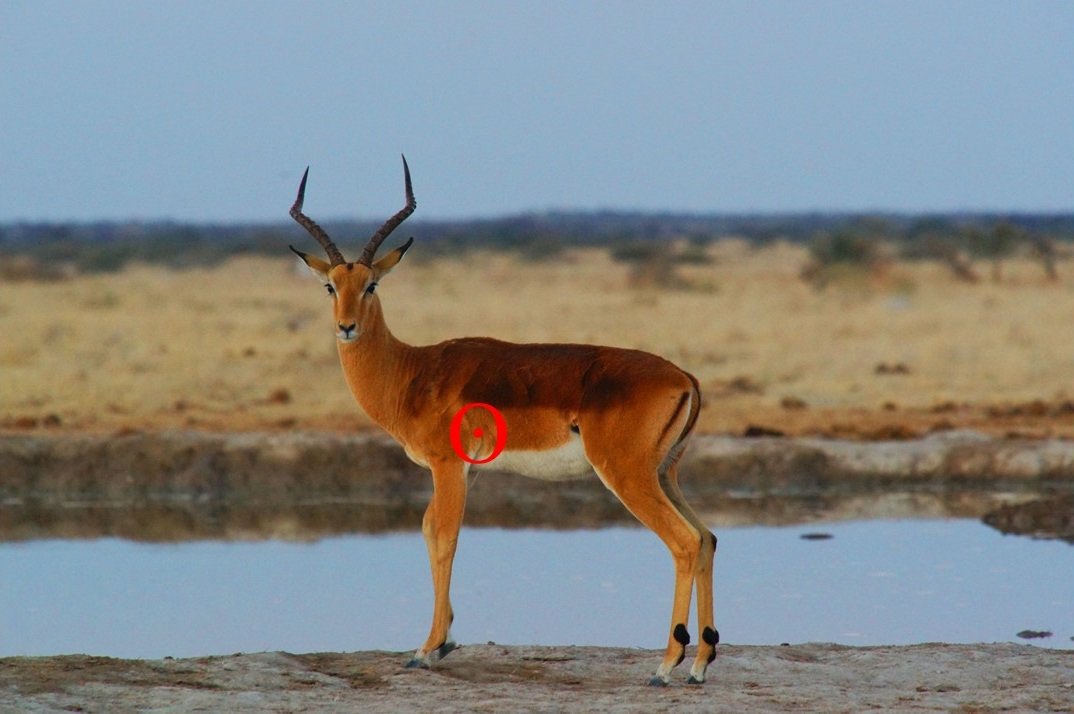
Impala shot placement

LIFE SPAN: 15 YEARS
WEIGHT: 88 – 167.2 LBS
LENGTH: 47.2 – 63 INCH
HEIGHT: 27.6 – 36.2 INCH
SCI MIN SCORE: 52”
Hunting the Black Impala provides a captivating experience with its distinctive features and challenging nature.
Black Impala Overview:
A color variant of the Southern impala (Aepyceros melampus), the Black Impala boasts a striking appearance characterized by its dark coat and distinctive lyre-shaped horns. It entices hunters with its unique characteristics.
Habitat and Range:
Thriving in varied environments, from savannas to woodlands, Black Impalas showcase adaptability similar to their Southern counterparts.
Trophy Characteristics:
Hunters are drawn to Black Impalas for their remarkable horns, evaluating trophies based on factors like length and symmetry. Experienced guides can assist in identifying prime individuals, ensuring a memorable hunting experience. Safari Club International acknowledges a minimum trophy qualification total score of 52 inches.
Hunting Methods:
Engaging in methods like spot-and-stalk, safari-style, hunters navigate the challenges posed by the agile Black Impalas. Given their sharp senses, a strategic approach guided by seasoned experts becomes crucial for a successful hunt.
Rifle Choice:
When pursuing Black Impalas, opt for a scoped rifle within the .243 to .30 caliber range, ensuring precision for medium-sized game. Accurate shot placement contributes to a fulfilling and responsible hunting adventure.
Price: $2200
Impala shot placement – Black/Southern

LIFE SPAN: 15 – 17 YEARS
WEIGHT: 17.6 – 39.6 LBS
LENGTH: 29.5 – 45.3 INCH
HEIGHT: 16.9 – 23.6 INCH
SCI MIN SCORE: 10”
Hunting the klipspringer, a small and elusive antelope species, offers a unique and challenging experience in the rocky landscapes of Africa.
Klipspringer Overview:
The klipspringer (Oreotragus oreotragus) is a small antelope known for its ability to navigate steep and rocky terrain with remarkable agility. Found in various rocky habitats across eastern and southern Africa, it is easily recognizable by its pointed hooves and short, coarse coat.
Habitat and Range:
Klipspringers inhabit rocky outcrops, cliffs, and mountainous regions. Understanding their habitat preferences and the specific geological features they favor is crucial for planning a successful hunt. These agile antelopes are well-adapted to challenging terrains.
Trophy Characteristics:
Klipspringers are often hunted for their distinctive, spiral horns. Trophy quality is typically evaluated based on horn length, symmetry, and the overall condition of the animal. Skilled guides can assist hunters in identifying suitable individuals rams for a memorable hunting experience. Safari Club International acknowledges a minimum trophy qualification total score of 10 inches.
Hunting Methods:
Hunting klipspringers often involves spot-and-stalk and still-hunting techniques. Due to their keen senses and the rocky environments they inhabit, approaching klipspringers can be particularly challenging. Patient and strategic hunting, guided by professionals familiar with klipspringer behavior, enhances the chances of success.
Rifle Choice:
Selecting appropriate equipment for klipspringer hunting is essential. A scoped rifle with a caliber suitable for small to medium-sized game, such as .243 or .270, is commonly used. Accurate shot placement is critical for a successful and ethical hunt.
Price: $2500

Klipspringer shot placement

LIFE SPAN: 7 -23 YEARS
WEIGHT: 264 – 594 LBS
LENGTH: 72.8 – 96.5 INCH
HEIGHT: 39.4 – 63 INCH
SCI MIN SCORE: 121”
Hunting the Kudu, a majestic and sought-after antelope species in South Africa, provides a challenging and rewarding experience.
Kudu Overview:
The Kudu (Tragelaphus strepsiceros) is one of the largest antelopes, known for its long, spiral horns and distinctive markings. It is the biggest spiral-horned antelope in Africa. Widely distributed in Africa, the Kudu is a prized game species, attracting hunters for its impressive trophy qualities. The kudu is often referred to as the “grey ghost.” This nickname is attributed to the kudu’s elusive and secretive behavior, especially in their natural habitats. The combination of their cautious nature, ability to blend into the surroundings, and their distinctive grey coat contributes to the moniker “grey ghost” in the hunting communities.
Habitat and Range:
Kudus inhabit a variety of environments, including savannas, woodlands, and open plains. Understanding their preferred habitats and seasonal movements is crucial for planning a successful hunt. They are adaptable to different ecosystems and can be found in diverse landscapes.
Trophy Characteristics:
Hunters often pursue Kudus for their remarkable horns. Trophy quality is assessed based on factors such as horn length, curl, and overall symmetry. Skilled guides play a crucial role in identifying mature individual bulls suitable for harvesting. Safari Club International acknowledges a minimum trophy qualification total score of 121 inches.
Hunting Methods:
Common hunting methods for Kudus include spot-and-stalk, safari-style, still-hunting, and tracking techniques. Due to their keen senses and ability to blend into their surroundings, approaching these antelopes can be challenging. Patience and strategic hunting skills, guided by professionals familiar with kudu behavior, enhance the chances of success.
Rifle Choice:
Selecting appropriate equipment is essential for Kudu hunting. A scoped rifle with a caliber suitable for large game, such as .30cal up to .375 H&H, is commonly used. Accurate shot placement contributes to a successful and ethical hunting experience.
Price: $3500-$5500

Kudu shot placement

LIFE SPAN: 14 YEARS
WEIGHT: 66 – 70.4 LBS
LENGTH: 39.4 – 53.5 INCH
HEIGHT: 25.6 – 35 INCH
SCI MIN SCORE: 11”
Hunting the Mountain Reedbuck, a graceful and agile antelope species, presents a unique challenge in the mountainous terrains of Africa.
Mountain Reedbuck Overview:
The Mountain Reedbuck (Redunca fulvorufula) is a medium-sized antelope characterized by its distinctively long ears and a reddish-brown coat. It is adapted to mountainous and hilly habitats, displaying exceptional agility and camouflage.
Habitat and Range:
Mountain Reedbucks prefer elevations and are found in hilly and mountainous terrains. Understanding their habitat preferences and the specific features of mountainous landscapes is essential for planning a successful hunt.
Trophy Characteristics:
Hunters often pursue Mountain Reedbucks for their unique horns. Trophy quality is evaluated based on factors such as horn length, shape, and symmetry. Experienced guides play a crucial role in identifying mature individuals rams suitable for hunting. Safari Club International acknowledges a minimum trophy qualification total score of 11 inches.
Hunting Methods:
Common hunting methods for Mountain Reedbucks include spot-and-stalk and strategic positioning. Due to their acute senses and the challenging nature of mountainous terrains, hunters often rely on the expertise of guides who understand the reedbuck’s behavior and movement patterns. Hunting the Mountain Reedbuck can be physically demanding due to the rugged terrains they inhabit. Hunters should be prepared for elevation changes, challenging climbs, and the need for stealth and patience.
Rifle Choice:
Selecting appropriate equipment is crucial for Mountain Reedbuck hunting. A scoped rifle with a caliber suitable for medium-sized game, such as .243 or .270, is commonly used, longer shots may be required because of the terrain they inhabit. Accurate shot placement contributes to a successful and ethical hunting experience.
Price: $1200
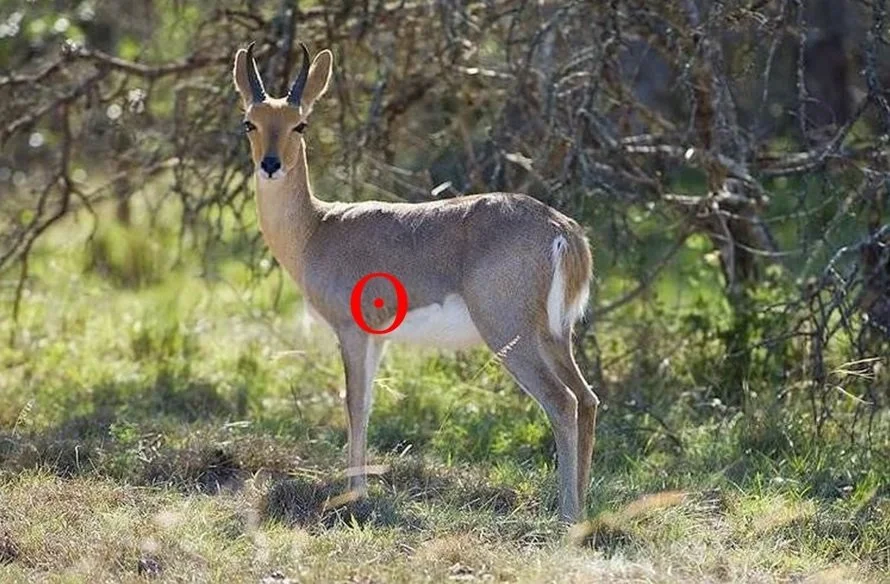
Mountain reedbuck shot placement

LIFE SPAN: 16 – 19 YEARS
WEIGHT: 121 – 308 LBS
LENGTH: 53.1 – 76.8 INCH
HEIGHT: 35.4 – 43.3 INCH
SCI MIN SCORE: 63”
Hunting the Nyala, an impressive spiral-horned antelope species, offers a unique and sought-after experience in the woodlands of South Africa.
Nyala Overview:
The Nyala (Tragelaphus angasii) is a large antelope species known for its striking appearance, with males exhibiting spiral horns, bushy tails, and distinctive markings. Found in dense woodlands and bushy areas, Nyala are native to regions of southern Africa.
Habitat and Range:
Nyala prefer thick bush and woodland habitats. Understanding their preferred environments, including riverine areas and dense vegetation, is essential for planning a successful hunt. Nyala’s elusive nature makes them a challenging but rewarding game species.
Trophy Characteristics:
Hunters often pursue Nyala for their impressive spiral horns, as it is part of the spiral horned antelope family. Trophy quality is assessed based on factors such as horn length, curvature, and overall symmetry. Experienced guides play a crucial role in identifying mature individuals bulls suitable for hunting. Safari Club International acknowledges a minimum trophy qualification total score of 63 inches.
Hunting Methods:
Common hunting methods for Nyala include spot-and-stalk and careful tracking. Due to their alertness and the dense vegetation they inhabit, hunters often rely on skilled guides who understand Nyala behavior and can lead them to suitable hunting opportunities.
Rifle Choice:
Selecting appropriate equipment is crucial for Nyala hunting. A scoped rifle with a caliber suitable for large game, such as .270 or .30 cal variety, is commonly used. Accurate shot placement contributes to a successful and ethical hunting experience.
Price: $2400

Nyala shot placement

LIFE SPAN: 40 – 50 YEARS
WEIGHT: 138.6 – 319 LBS
WINGSPAN: 6.6 FT
HEIGHT: 5.6 – 9.2 FT
Hunting the ostrich, the world’s largest and heaviest bird, is a unique and challenging pursuit.
Ostrich Overview:
The ostrich (Struthio camelus) is native to Africa and is characterized by its long legs, neck, and distinctive plumage. While known for its inability to fly, the ostrich is a fast runner and can cover great distances.
Habitat and Range:
Ostriches inhabit a range of environments, including grasslands, savannas, and deserts. Understanding their preferred habitats and behavioral patterns is crucial for planning a successful hunt.
Trophy Characteristics:
Ostrich hunting often involves seeking specific characteristics, such as feather quality, size, and age. The “trophy” is typically the feathers, skin, and sometimes the skull. Assessing the quality of feathers, including length and condition, is a common criterion for determining the value. Male ostriches, in particular, have striking black and white plumage. Hunting for specific characteristics, such as feather quality or size, adds an element of uniqueness to the pursuit.
Hunting Methods:
Common hunting methods for ostriches include spot-and-stalk, safari-style, or even still-hunting techniques. Due to their keen eyesight and speed, hunters need to approach cautiously. The use of camouflage, strategic positioning, and patience are essential for a successful ostrich hunt.
Rifle Choice:
Selecting appropriate equipment is essential for ostrich hunting. A scoped rifle with a caliber suitable for large game, such as .270 or .30 cal, is commonly used. Optics and accurate shot placement contribute to a successful and ethical hunting experience.
Price: $550

Ostrich shot placement

LIFE SPAN: 15 – 20 YEARS
WEIGHT: 28.6 – 59.4 LBS
LENGTH: 23.6 – 32.7 INCH
HEIGHT: 12.6 – 16.5 INCH
Hunting porcupines provides an exciting and challenging night hunt experience in the nocturnal environments of South Africa.
Porcupine Overview:
The Cape Porcupine (Hystrix africaeaustralis) is a nocturnal rodent known for their quills, which are sharp spines covering their bodies. It also holds the distinction of being the largest rodent on the African continent. A unique feature of the Cape porcupine is the presence of hollow spines on the tail, strategically employed to create a rattling sound.
Habitat and Range:
They inhabit a variety of environments, from forests to deserts, and are found on multiple continents.
Trophy Characteristics:
Porcupines are typically hunted for their quills. Assessing the animal’s overall size may be one consideration for those seeking specific characteristics.
Hunting Methods:
Porcupines are primarily nocturnal, making night hunting common. Techniques may include spotlighting to locate them. Due to their elusive nature, patience and skill are essential for a successful porcupine hunt.
Rifle Choice:
Selecting appropriate equipment for porcupine hunting includes a firearm suitable for small game, such as a .22 caliber rifle. Accurate shot placement is crucial to ensure a humane and ethical harvest.
Price: $150

Porcupine shot placement

LIFE SPAN: 19 YEARS
WEIGHT: 265 – 330 LBS
LENGTH: 79 – 98 INCH
HEIGHT: 39.6 INCH
SCI MIN SCORE: 62”
Hunting the Red Hartebeest, a large and fast antelope species, provides a challenging and exciting experience in the open plains of Africa.
Red Hartebeest Overview:
The Red Hartebeest (Alcelaphus buselaphus caama) is a large antelope characterized by its distinctive appearance, with a sloping back and long, lyre-shaped horns. It inhabits grasslands and open plains across southern Africa.
Habitat and Range:
Red Hartebeests prefer open grasslands and savannas. Understanding their preferred habitats, as well as their seasonal movements, is essential for planning a successful hunt. Their keen senses and fast running make them a challenging game species.
Trophy Characteristics:
Hunters often pursue Red Hartebeests for their impressive horns, which can be long and curved. Trophy quality is assessed based on factors such as horn length, symmetry, and overall size. Experienced guides play a crucial role in identifying mature individual bulls suitable for hunting. Safari Club International acknowledges a minimum trophy qualification total score of 62 inches.
Hunting Methods:
Common hunting methods for Red Hartebeests include spot-and-stalk, safari-style and tracking techniques. Due to their alertness and the vast areas they inhabit, hunters often rely on skilled guides who understand Red Hartebeest behavior and can lead them to suitable hunting opportunities.
Rifle Choice:
Selecting appropriate equipment is crucial for Red Hartebeest hunting. A scoped rifle with a caliber suitable for large game, such as .270 or .30 cal, is commonly used. Accurate shot placement contributes to a successful and ethical hunting experience.
Price: $1500
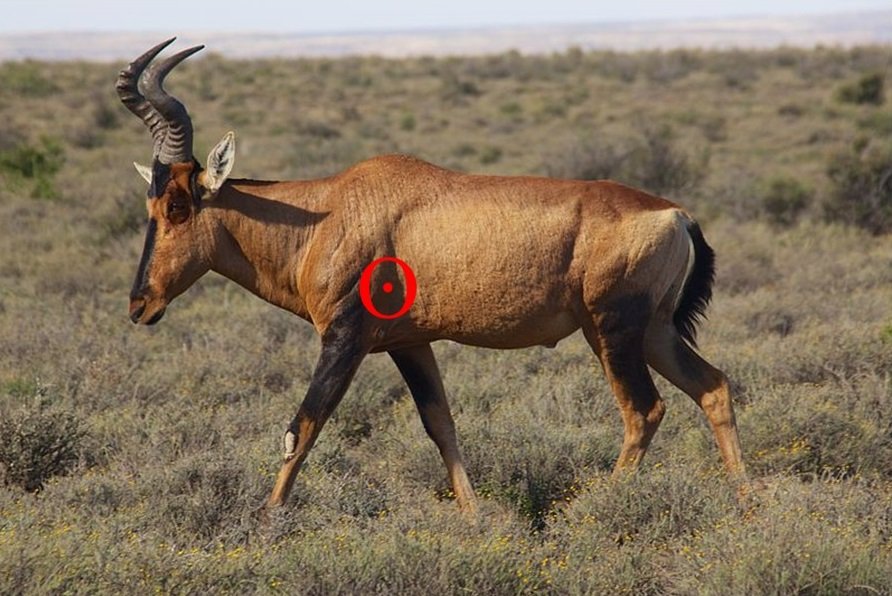
Red hartebeest shot placement

LIFE SPAN: 14 YEARS
WEIGHT: 66 – 70.4 LBS
LENGTH: 39.4 – 53.5 INCH
HEIGHT: 25.6 – 35 INCH
SCI MIN SCORE: 21”
Hunting the Reedbuck, a medium-sized and elusive antelope, provides a challenging and rewarding experience in various grassland habitats.
Reedbuck Overview:
The Reedbuck (Redunca arundinum) is a species of reedbuck found in sub-Saharan Africa. Known for its distinctive appearance, including forward-curving horns and a reddish-brown coat, it inhabits grassy plains, marshes, and wetlands.
Habitat and Range:
Reedbucks prefer areas with tall grass and access to water. Understanding their habitat preferences and seasonal movements is essential for planning a successful hunt. Their alertness and ability to conceal themselves in tall vegetation make them challenging to approach.
Trophy Characteristics:
Hunters targeting Reedbucks typically focus on specific trophy characteristics, such as horn length, curvature, and overall symmetry. Experienced guides play a crucial role in identifying mature individual rams suitable for hunting. Safari Club International acknowledges a minimum trophy qualification total score of 21 inches.
Hunting Methods:
Common hunting methods for Reedbucks include spot-and-stalk, safari-style and still-hunting techniques. Due to their keen senses and the varied terrains they inhabit, hunters often rely on skilled guides who understand Reedbuck behavior and can lead them to suitable hunting opportunities.
Rifle Choice:
Selecting appropriate equipment is crucial for Reedbuck hunting. A scoped rifle with a caliber suitable for medium-sized game, such as .243, .270 or the .308 Win Mag, is commonly used. Accurate shot placement contributes to a successful and ethical hunting experience.
Price: $1800

Reedbuck shot placement

LIFE SPAN: 15 – 17 YEARS
WEIGHT: 490.6 – 660 LBS
LENGTH: 74.8 – 94.5 INCH
HEIGHT: 51.2 – 55.1 INCH
SCI MIN SCORE: 67”
Hunting the Roan Antelope, a large and striking herbivore, offers a challenging and exhilarating experience in the grasslands and savannas of Africa.
Roan Antelope Overview:
The Roan Antelope (Hippotragus equinus) is known for its robust build, distinct facial markings, and long, lyre-shaped horns. It inhabits a range of grassy habitats, from savannas to woodland areas, across sub-Saharan Africa.
Habitat and Range:
Roan Antelopes prefer open grasslands and savannas, often found in areas with a mix of vegetation. Understanding their preferred habitats and seasonal movements is essential for planning a successful hunt. Their alertness and ability to cover large distances make them challenging game.
Trophy Characteristics:
Hunters pursuing Roan Antelopes typically target specific trophy characteristics, focusing on horn length, shape, and overall symmetry. Experienced guides play a crucial role in identifying mature individual bulls suitable for hunting. Safari Club International acknowledges a minimum trophy qualification total score of 67 inches.
Hunting Methods:
Common hunting methods for Roan Antelopes include spot-and-stalk and tracking techniques. Due to their keen senses and the expansive areas they inhabit, hunters often rely on skilled guides who understand Roan behavior and can lead them to suitable hunting opportunities.
Rifle Choice:
Selecting appropriate equipment is crucial for Roan hunting. A scoped rifle with a caliber suitable for large game, such as .30-06 or .300 Win Mag or larger, is commonly used. Accurate shot placement contributes to a successful and ethical hunting experience.
Price: $5500-$6500
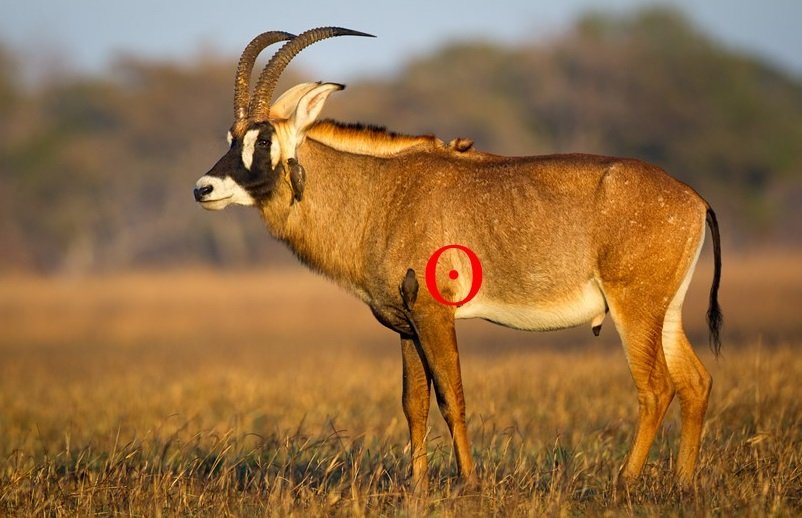
Roan shot placement
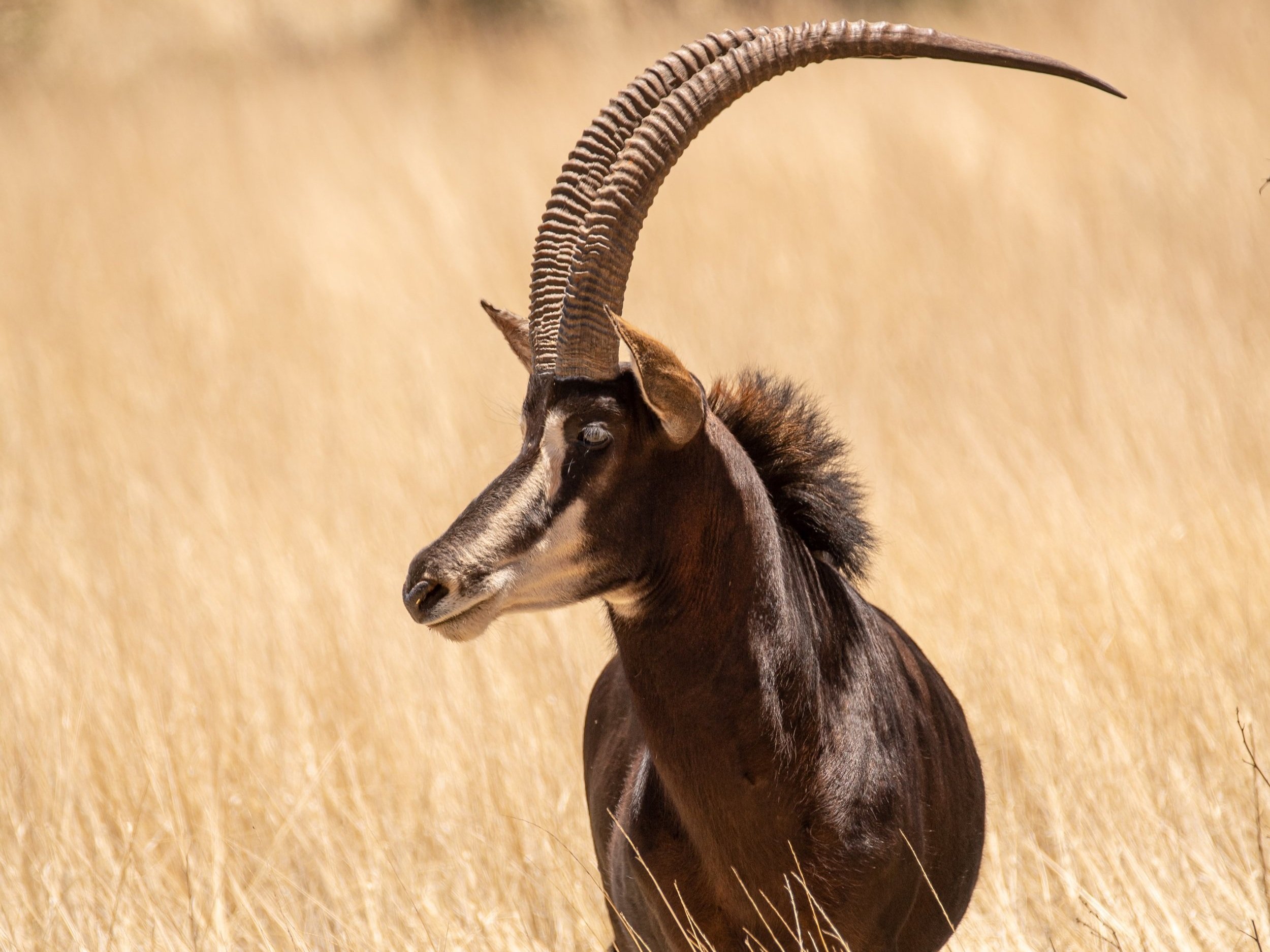
LIFE SPAN: 17 -19 YEARS
WEIGHT: 484 – 517 LBS
LENGTH: 74.8 – 100.4 INCH
HEIGHT: 46.1 – 55.1 INCH
SCI MIN SCORE: 96”
Hunting the Sable Antelope, a majestic and sought-after species, provides a challenging and rewarding experience in the diverse landscapes of Africa.
Sable Antelope Overview:
The Sable Antelope (Hippotragus niger) is known for its striking appearance, featuring impressive, backward-curving horns and a dark coat. Also known as the Prince of Africa, it’s native to southern and eastern Africa.
Habitat and Range:
Sable Antelopes thrive in diverse habitats, including savannas, woodlands, and grassy plains. Understanding their preferred environments and seasonal movements is crucial for planning a successful hunt. Their keen senses and ability to adapt to varied terrains make them a challenging and rewarding game species.
Trophy Characteristics:
Hunters pursuing Sable typically focus on specific trophy characteristics, emphasizing horn length, curvature, and overall symmetry. Skilled guides play a crucial role in identifying mature individual bulls suitable for hunting. Safari Club International acknowledges a minimum trophy qualification total score of 96 inches.
Hunting Methods:
Common hunting methods for Sable Antelopes include spot-and-stalk and tracking techniques. Due to their alertness and the expansive areas they inhabit, hunters often rely on experienced guides who understand Sable behavior and can lead them to suitable hunting opportunities.
Rifle Choice:
Selecting appropriate equipment is crucial for Sable hunting. A scoped rifle with a caliber suitable for large game, such as .30-06, .308, .300 Win Mag, and even the .375 H&H, is commonly used. Accurate shot placement contributes to a successful and ethical hunting experience.
Price: $4500-$5500

Sable shot placement

LIFE SPAN: 10 YEARS
WEIGHT: 66 – 105.6 LBS
LENGTH: 47.2 – 59.1 INCH
HEIGHT: 28.3 – 29.5 INCH
SCI MIN SCORE: 30”
Hunting the Springbuck, a small and agile antelope species, provides an exciting and challenging experience in the open landscapes of Africa.
Springbuck Overview:
The Springbuck (Antidorcas marsupialis) is known for its distinctive appearance, with a white face and a pocket-like flap of skin on its back. Native to southern Africa, Springbucks inhabit a variety of open habitats, including plains and semi-desert regions. The Springbuck is the national animal of South Africa. It holds cultural significance and is a symbol of the country’s diverse wildlife heritage.
Habitat and Range:
Springbucks prefer open plains and grasslands. Understanding their preferred environments and seasonal movements is essential for planning a successful hunt. Their speed and ability to cover large distances make them a challenging and rewarding game species.
Trophy Characteristics:
Hunters targeting Springbucks typically focus on specific trophy characteristics, such as horn length, shape, and overall symmetry. Experienced guides play a crucial role in identifying mature individual rams suitable for hunting. Safari Club International acknowledges a minimum trophy qualification total score of 30 inches.
Hunting Methods:
Common hunting methods for Springbucks include spot-and-stalk and safari-style techniques. Due to their alertness and the expansive areas they inhabit, hunters often rely on skilled guides who understand Springbuck behavior and can lead them to suitable hunting opportunities.
Rifle Choice:
Selecting appropriate equipment is crucial for Springbuck hunting. A scoped rifle with a caliber suitable for medium-sized game, such as .243 or .270, is commonly used. Accurate shot placement contributes to a successful and ethical hunting experience.
Price: $600

Springbuck shot placement

LIFE SPAN: 10 YEARS
WEIGHT: 66 – 105.6 LBS
LENGTH: 47.2 – 59.1 INCH
HEIGHT: 28.3 – 29.5 INCH
SCI MIN SCORE: 30,5”
Hunting the Black Springbuck, a unique and visually striking antelope species, offers an exciting and challenging experience in the diverse landscapes of Africa.
Black Springbuck Overview:
The Black Springbuck (Antidorcas marsupialis) is a color variant of the common Springbuck, characterized by its distinctive black coloration. Native to southern Africa, Black Springbucks inhabit a variety of open habitats, including plains and semi-desert regions.
Habitat and Range:
Black Springbucks prefer open plains and grasslands similar to their common counterparts. Understanding their preferred environments and seasonal movements is essential for planning a successful hunt. Their speed and agility make them a challenging and rewarding game species.
Trophy Characteristics:
Hunters pursuing Black Springbucks typically focus on specific trophy characteristics, such as horn length, shape, and overall symmetry. The dark coloration of the fur adds a unique aesthetic element to the trophy. Experienced guides play a crucial role in identifying mature individual rams suitable for hunting. Safari Club International acknowledges a minimum trophy qualification total score of 30 1/2 inches.
Hunting Methods:
Common hunting methods for Black Springbucks include spot-and-stalk and safari-style techniques. Due to their alertness and the expansive areas they inhabit, hunters often rely on skilled guides who understand Black Springbuck behavior and can lead them to suitable hunting opportunities.
Rifle Choice:
Selecting appropriate equipment is crucial for Black Springbuck hunting. A scoped rifle with a caliber suitable for medium-sized game, such as .243 or .270, is commonly used. Accurate shot placement contributes to a successful and ethical hunting experience.
Price: $1500

Black springbuck shot placement

LIFE SPAN: 10 YEARS
WEIGHT: 66 – 105.6 LBS
LENGTH: 47.2 – 59.1 INCH
HEIGHT: 28.3 – 29.5 INCH
SCI MIN SCORE: 25”
Hunting the Copper Springbuck, a rare and visually distinctive color variant of the Springbuck, provides a unique and challenging experience in the diverse landscapes of Africa.
Copper Springbuck Overview:
The Copper Springbuck (Antidorcas marsupialis) is a color variant known for its unique copper-colored fur. This variation is prized for its aesthetic appeal, and hunters often seek it as a distinctive trophy. Native to southern Africa, Copper Springbucks inhabit open plains, savannah areas and semi-desert regions.
Habitat and Range:
Copper Springbucks prefer habitats similar to common Springbucks, including open plains and grasslands. Understanding their preferred environments and seasonal movements is essential for planning a successful hunt. Their speed and agility make them a challenging and rewarding game species.
Trophy Characteristics:
Hunters pursuing Copper Springbucks typically focus on specific trophy characteristics, such as horn length, shape, and overall symmetry. The copper coloration adds a rare and captivating aspect to the trophy. Experienced guides play a crucial role in identifying mature individuals rams suitable for hunting. Safari Club International acknowledges a minimum trophy qualification total score of 25 inches.
Hunting Methods:
Common hunting methods for Copper Springbucks include spot-and-stalk and safari-style techniques. Due to their alertness and the expansive areas they inhabit, hunters often rely on skilled guides who understand Copper Springbuck behavior and can lead them to suitable hunting opportunities.
Rifle Choice:
Selecting appropriate equipment is crucial for Copper Springbuck hunting. A scoped rifle with a caliber suitable for medium-sized game, such as .243 or .270, is commonly used. Accurate shot placement contributes to a successful and ethical hunting experience.
Price: $2000
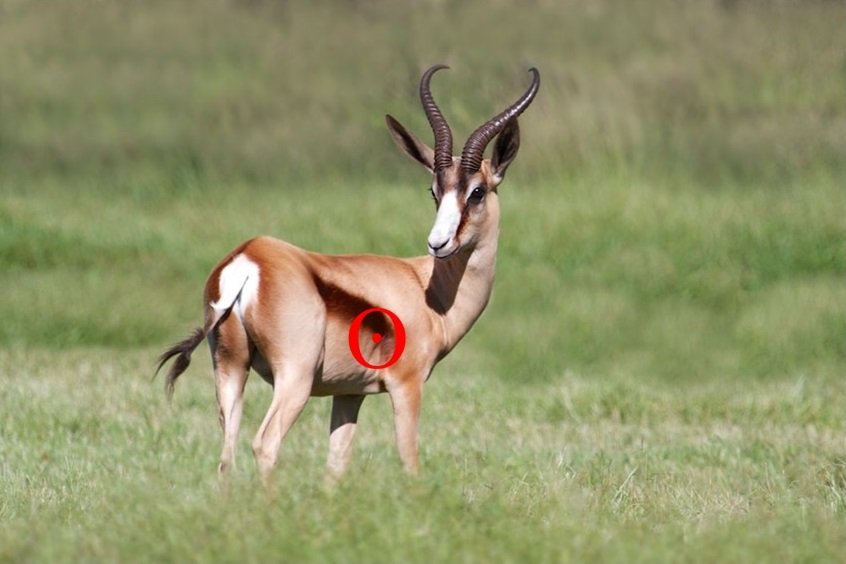
Copper springbuck shot placement

LIFE SPAN: 10 YEARS
WEIGHT: 66 – 105.6 LBS
LENGTH: 47.2 – 59.1 INCH
HEIGHT: 28.3 – 29.5 INCH
SCI MIN SCORE: 28”
Hunting the White Springbuck, a striking color variant of the Springbuck, provides a unique and captivating experience in the diverse landscapes of Africa.
White Springbuck Overview:
The White Springbuck (Antidorcas marsupialis) is a color variation known for its distinctive all-white fur. This rare and visually striking variant is highly sought after by hunters as a unique trophy. Native to southern Africa, White Springbucks inhabit open plains and semi-desert regions.
Habitat and Range:
White Springbucks prefer habitats similar to common Springbucks, including open plains and grasslands. Understanding their preferred environments and seasonal movements is essential for planning a successful hunt. Their speed and agility make them a challenging and rewarding game species.
Trophy Characteristics:
Hunters pursuing White Springbucks typically focus on specific trophy characteristics, such as horn length, shape, and overall symmetry. The all-white coloration adds an extraordinary aspect to the trophy. Experienced guides play a crucial role in identifying mature individual males suitable for hunting. Safari Club International acknowledges a minimum trophy qualification total score of 28 inches.
Hunting Methods:
Common hunting methods for White Springbucks include spot-and-stalk and safari-style techniques. Due to their alertness and the expansive areas they inhabit, hunters often rely on skilled guides who understand White Springbuck behavior and can lead them to suitable hunting opportunities.
Rifle Choice:
Selecting appropriate equipment is crucial for White Springbuck hunting. A scoped rifle with a caliber suitable for medium-sized game, such as .243 or .270 is commonly used. Accurate shot placement contributes to a successful and ethical hunting experience.
Price: $2200
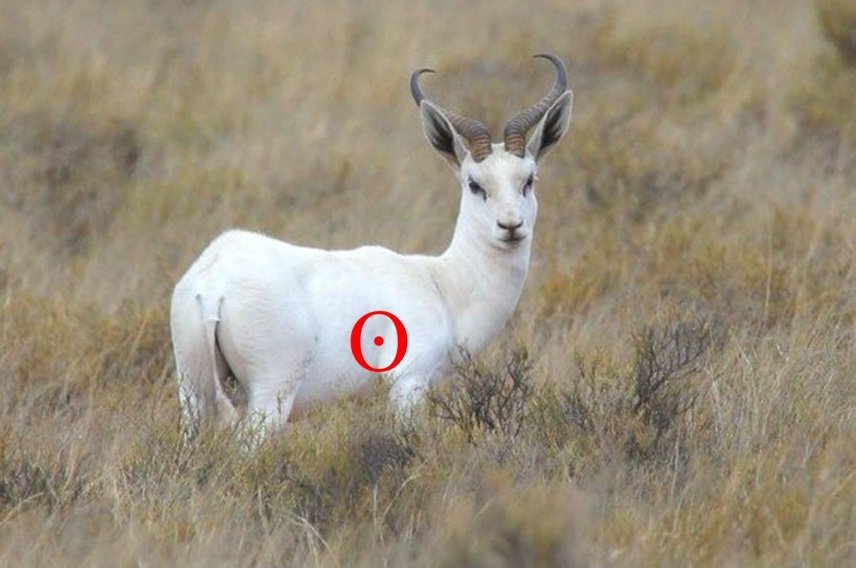
White springbuck shot placement

LIFE SPAN: 7 – 9 YEARS
WEIGHT: 15.4 – 35.2 LBS
LENGTH: 27.6 – 37.4 INCH
HEIGHT: 17.7 – 23.6 INCH
SCI MIN SCORE: 8”
Hunting the Steenbok, a small and elusive antelope, provides a unique and challenging experience in the diverse habitats of Africa. The Steenbok is part of the “Tiny Ten,” a collection of small antelope species sought after by hunters.
Steenbok Overview:
The Steenbok (Raphicerus campestris) is a small antelope known for its reddish-brown coat, distinctive ears, and straight, spike-like horns. Native to various regions in southern and eastern Africa, Steenboks inhabit a range of environments, including savannas, grasslands, and semi-desert areas.
Habitat and Range:
Steenboks prefer a variety of habitats, ranging from open grasslands to thickets and bushveld. Understanding their preferred environments and the ability to adapt to different terrains is essential for planning a successful hunt. Their alertness and ability to hide make them a challenging game species.
Trophy Characteristics:
Hunters pursuing Steenboks typically focus on specific trophy characteristics, such as horn length and overall symmetry. Although small in size compared to larger antelope species, the challenge lies in their elusive behavior and keen senses. Experienced guides play a crucial role in identifying mature individuals suitable for hunting. Safari Club International acknowledges a minimum trophy qualification total score of 8 inches.
Hunting Methods:
Common hunting methods for Steenboks include spot-and-stalk and still-hunting techniques. Due to their small size and alert nature, hunters often rely on skilled guides who understand Steenbok behavior and can lead them to suitable hunting opportunities.
Rifle Choice:
Selecting appropriate equipment is crucial for Steenbok hunting. A scoped rifle with a caliber suitable for small to medium-sized game, such as .223, is commonly used. Accurate shot placement contributes to a successful and ethical hunting experience.
Price: $750

Steenbok shot placement

LIFE SPAN: 15 YEARS
WEIGHT: 130 – 330 LBS
LENGTH: 59 – 83 INCH
HEIGHT: 36 INCH
SCI MIN SCORE: 40”
Hunting the Tsessebe, a large and fast antelope species, provides a challenging and exhilarating experience in the expansive grasslands of South Africa.
Tsessebe Overview:
The Tsessebe (Damaliscus lunatus) is a large antelope known for its sleek build, reddish-brown coat, and distinctive horns that curve slightly backward. The tsessebe, one of the fastest antelope species, can reach speeds of up to 80 km/h (50 mph) when running. Native to various regions in sub-Saharan Africa, Tsessebes inhabit open grasslands and savannas.
Habitat and Range:
Tsessebes prefer open grassy habitats, often found in areas with a mix of vegetation. Understanding their preferred environments and seasonal movements is essential for planning a successful hunt. Their keen senses and the ability to cover large distances make them a challenging and rewarding game species.
Trophy Characteristics:
Hunters pursuing Tsessebes typically focus on specific trophy characteristics, such as horn length, shape, and overall symmetry. The challenge lies in their speed and agility, making it crucial for experienced guides to identify mature individuals suitable for hunting. Safari Club International acknowledges a minimum trophy qualification total score of 40 inches.
Hunting Methods:
Common hunting methods for Tsessebes include spot-and-stalk and tracking techniques. Due to their speed and alert nature, hunters often rely on skilled guides who understand Tsessebe behavior and can lead them to suitable hunting opportunities.
Rifle Choice:
Selecting appropriate equipment is crucial for Tsessebe hunting. A scoped rifle with a caliber suitable for large game, such as .30-06 or .300 Win Mag, is commonly used. Accurate shot placement contributes to a successful and ethical hunting experience.
Price: $2750
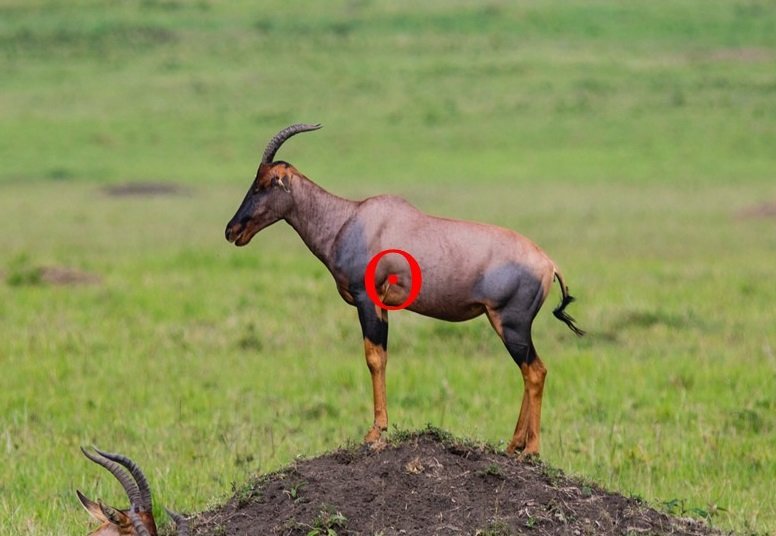
Tsessebe shot placement

LIFE SPAN: 12 – 18 YEARS
WEIGHT: 99 – 350 LBS
LENGTH: 3 – 4.9 FT
HEIGHT: 25 – 33.5 INCH
SCI MIN SCORE: 29”
Hunting the Warthog, a resilient and distinctive species, offers an exciting and challenging experience in the diverse landscapes of Africa.
Warthog Overview:
The Warthog (Phacochoerus africanus) is a wild pig known for its robust build, distinctive facial warts, and upward-curving tusks. Native to various regions in sub-Saharan Africa, Warthogs inhabit a variety of environments, including savannas, grasslands, and woodland areas.
Habitat and Range:
Warthogs are adaptable and can thrive in diverse habitats, from open plains to dense bush. Understanding their preferred environments and behavior is essential for planning a successful hunt. Their keen senses and the ability to escape into burrows make them a challenging and elusive game species.
Trophy Characteristics:
Hunters pursuing Warthogs typically focus on specific trophy characteristics, such as tusk length and overall size. Experienced guides play a crucial role in identifying mature individuals suitable for hunting. Safari Club International acknowledges a minimum trophy qualification total score of 29 inches.
Hunting Methods:
Common hunting methods for Warthogs include spot-and-stalk and still-hunting techniques near waterholes or feeding areas. Due to their wariness, hunters often rely on skilled guides, like the ones at Shenandoah who understand Warthog behavior and can lead them to suitable hunting opportunities.
Rifle Choice:
Selecting appropriate equipment is crucial for Warthog hunting. A scoped rifle with a caliber suitable for medium-sized game, such as .243, .270 up to a .375 is commonly used. Accurate shot placement contribute to a successful and ethical hunting experience.
Price: $450

Warthog shot placement

LIFE SPAN: 18 – 30 YEARS
WEIGHT: 354.1 – 576.4 LBS
LENGTH: 69.7 – 92.5 INCH
HEIGHT: 247.2 – 53.5 INCH
SCI MIN SCORE: 67”
Hunting the Waterbuck, a large and robust antelope species, provides a challenging and rewarding experience in the diverse habitats of South Africa.
Waterbuck Overview:
The Waterbuck (Kobus ellipsiprymnus) is known for its distinctive shaggy coat, long curved horns, and a noticeable white ring around its rump. Native to various regions in sub-Saharan Africa, Waterbucks inhabit areas near water sources, such as rivers, lakes, and marshes.
Habitat and Range:
Waterbucks prefer habitats with access to water, as suggested by their name. They can be found in grasslands, woodlands, and savannas. Understanding their preferred environments and seasonal movements is essential for planning a successful hunt. Their alertness and the ability to take refuge in water make them a challenging game species.
Trophy Characteristics:
At Shenandoah Hunting Safaris, those seeking a waterbuck bull as a trophy concentrate on particular attributes like horn length, shape, and the overall size of the animal. The task involves identifying mature individuals with desirable traits, a challenge expertly addressed by our seasoned guides. Our experienced team ensures that your Waterbuck hunting experience aligns with the highest standards, aiming for both thrill and trophy quality. Safari Club International acknowledges a minimum trophy qualification total score of 67 inches.
Hunting Methods:
Typical approaches to hunting the Waterbuck involve employing spot-and-stalk techniques and utilizing still-hunting strategies near water sources. Given the cautious nature of Waterbucks, hunters frequently depend on our skilled guides at Shenandoah Hunting Safaris. Our guides possess a deep understanding of Waterbuck behavior, ensuring they can effectively lead hunters to suitable opportunities for a successful and rewarding hunting experience.
Rifle Choice:
Selecting appropriate equipment is crucial for Waterbuck hunting. A scoped rifle with a caliber suitable for large game, such as .30-06, .308 or the .300 Win Mag, is commonly used. Accurate shot placement is crucial to a successful and ethical hunting experience.
Price: $3200
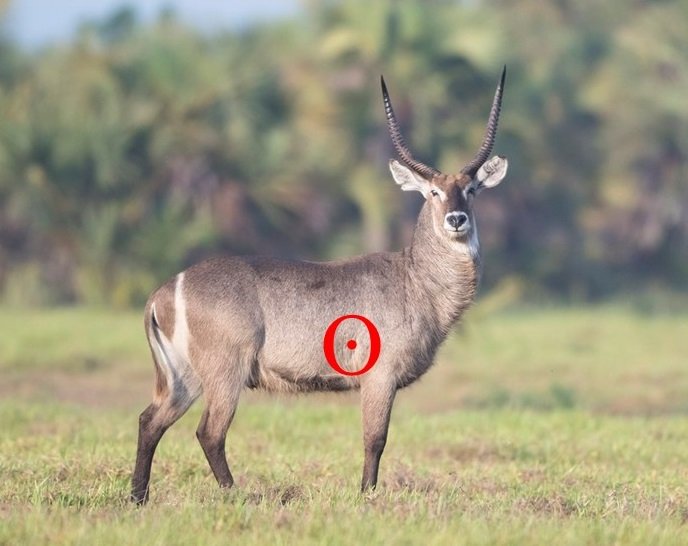
Waterbuck shot placement
Our mission is to provide premium services, offer exceptional trophy animals, and create lasting hunting memories for all our clients.
+27 82 335 9256
+1 512 995 5776


WhatsApp us


